
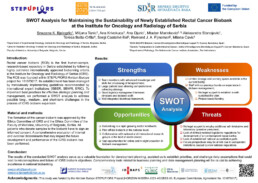
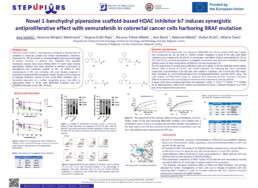
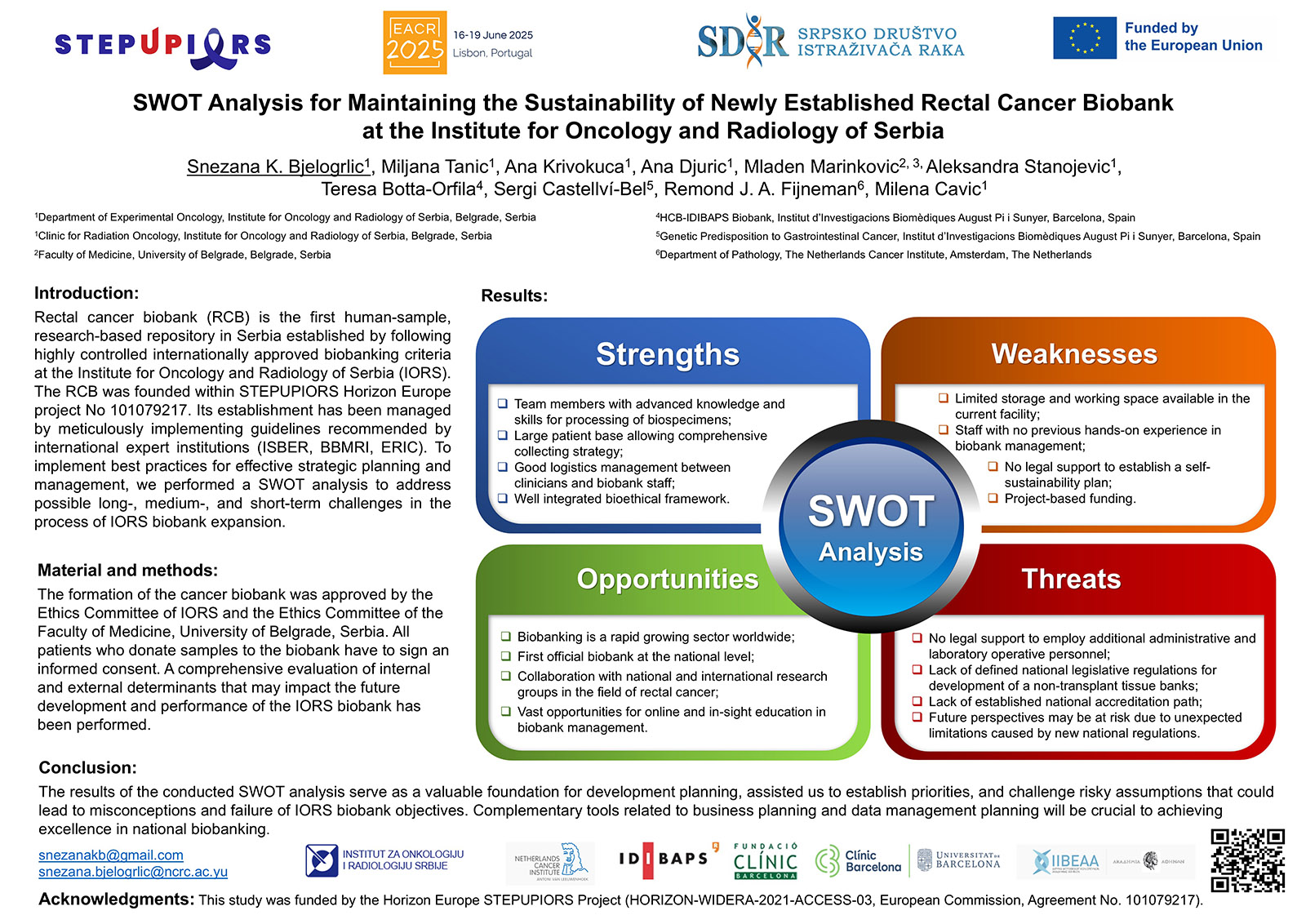
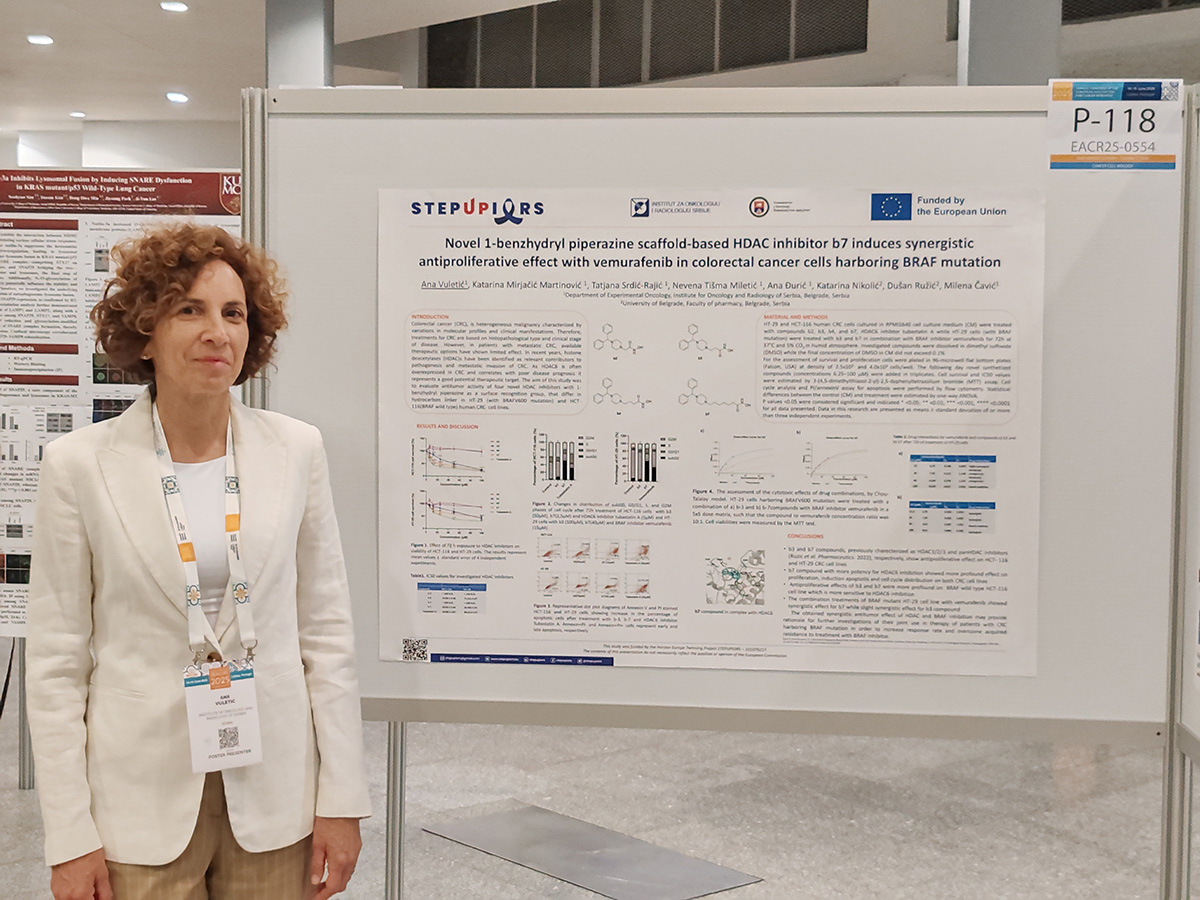
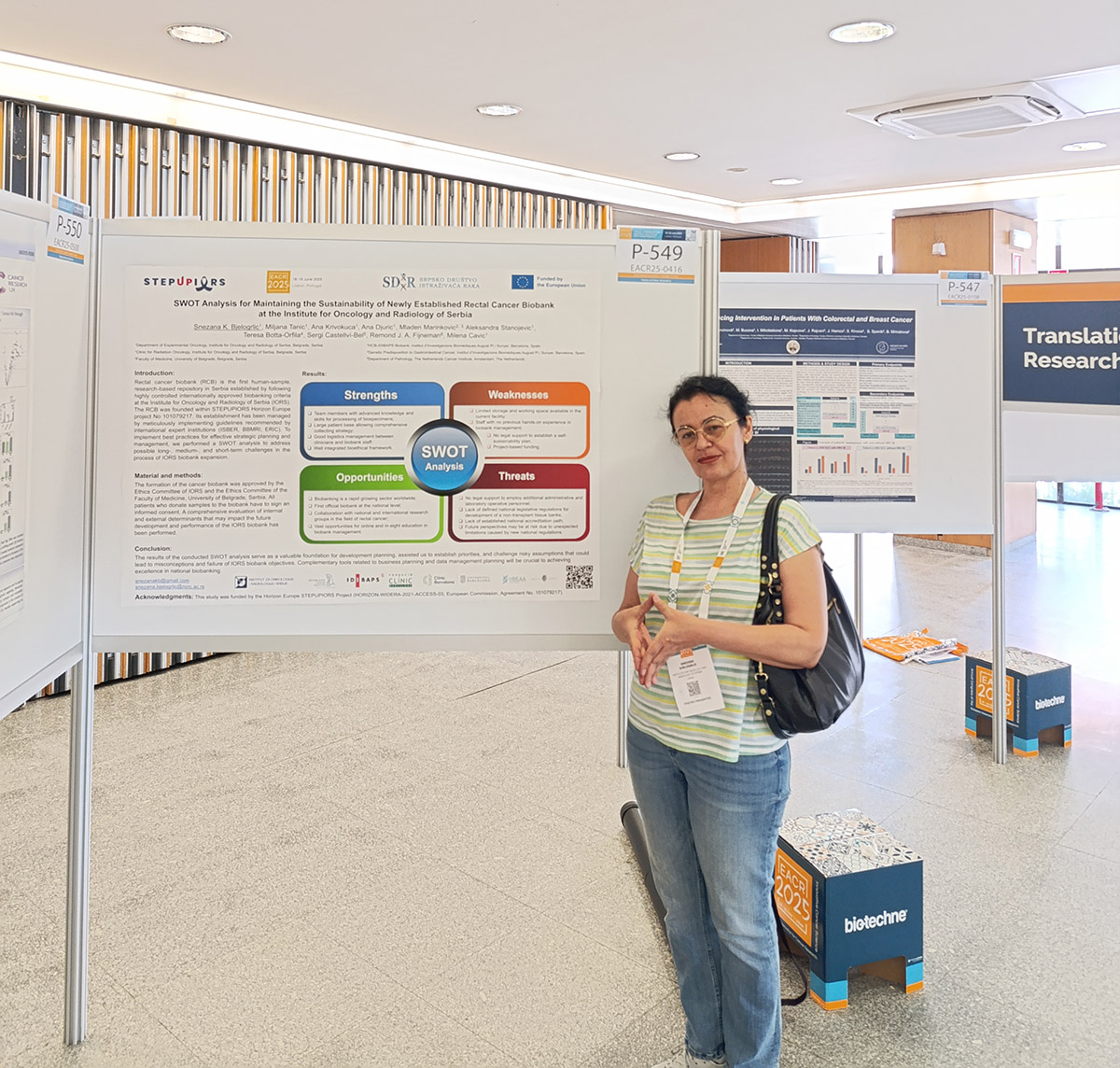
STEPUPIORS at EACR2025 Congress
STEPUPIORS training: Online cBioPortal Workshop for Users and Data Loaders
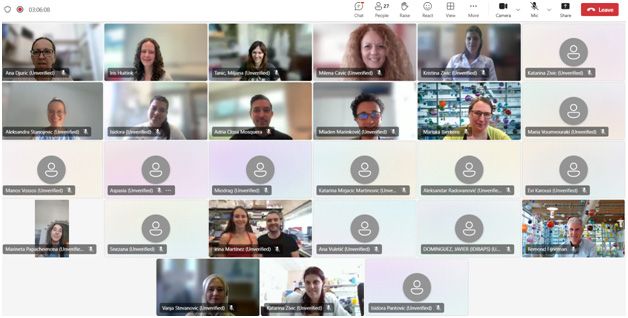
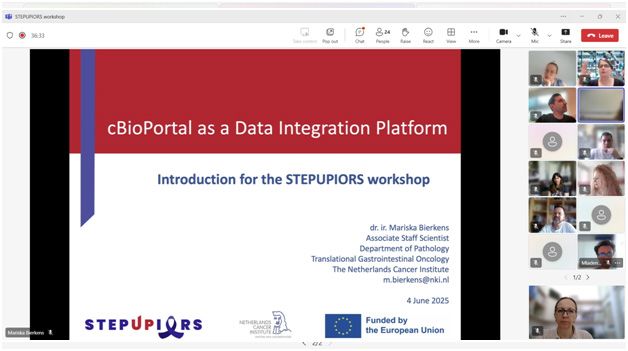
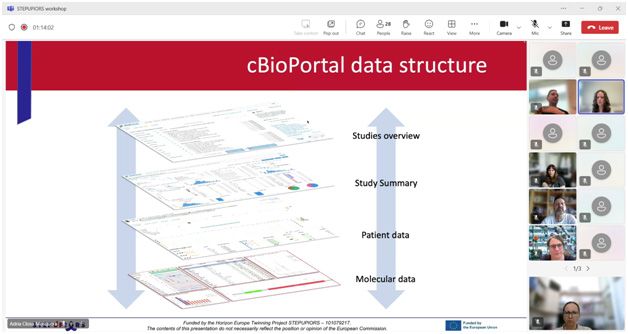
STEPUPIORS online training “Online cBioPortal Workshop for Users and Data Loaders” was held on June 4, 2025 and was attended by 27 participants from IORS, NKI-AVL, FRCB-IDIBAPS and BRFAA/NKUA.
This interactive workshop was focused on cBioPortal, a powerful open-source platform for exploring and visualizing multidimensional cancer genomics data. It provided a great synergy of theoretical background and hands-on practice, perfect for both researchers exploring cancer data and data managers preparing datasets for integration.
Workshop highlights:
Overview of cBioPortal as a data integration platform
In-depth explanation of supported data formats
Hands-on data loading into a local cBioPortal instance
Insight into real-world FAIR data management challenges and solutions
A big thank you to the speakers and training organizer from the NKI-AVL Dr. ir. Mariska Bierkens, Dr. Adria Closa Mosquera, Iris Huitink and Dr Remond Fijneman, and to all the participants and future cBioPortal data loaders.


AFALynch Association Visits IDIBAPS to Explore Advances in Colon and Rectal Cancer Research
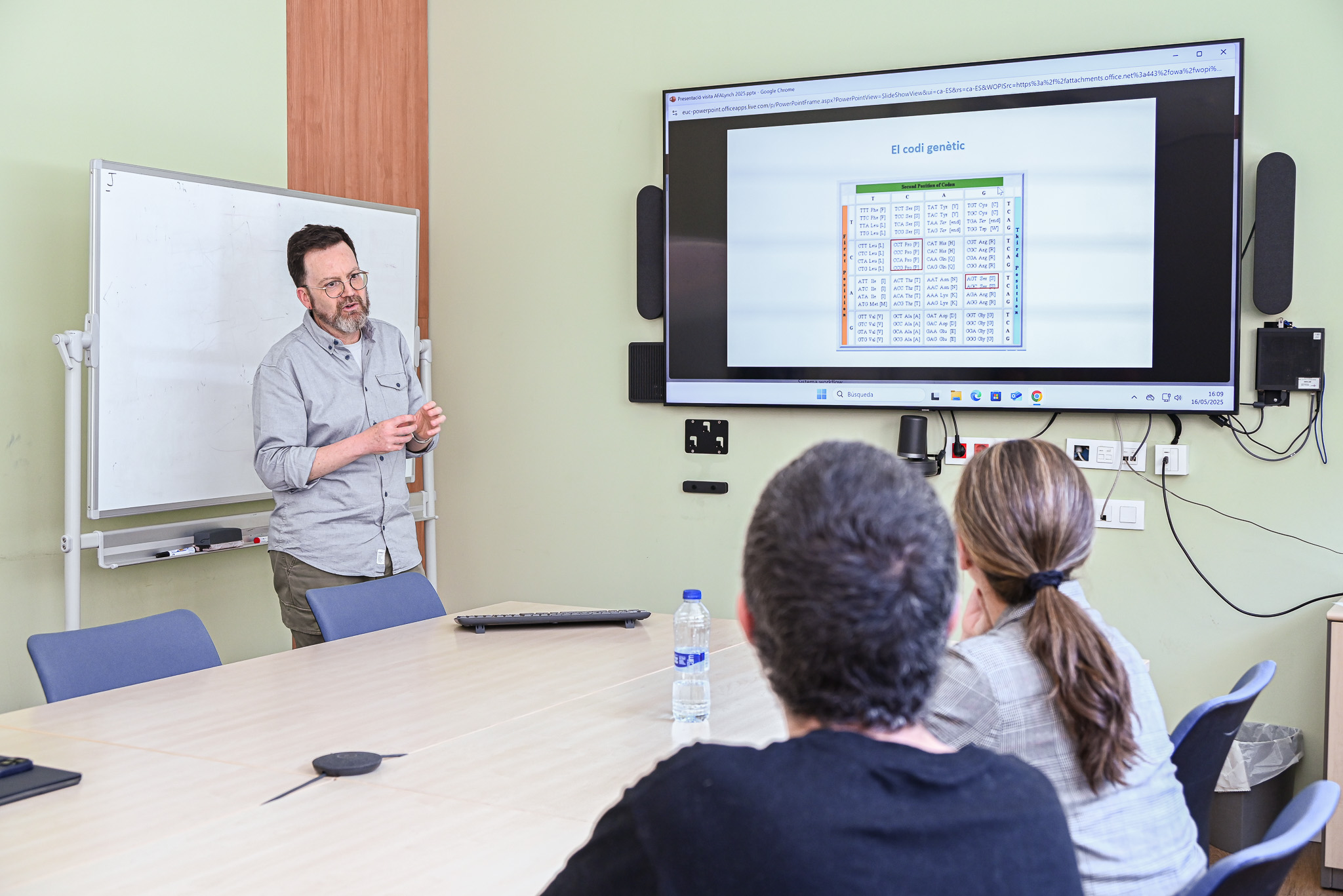
On Friday, May 16, IDIBAPS welcomed representatives from the Association of Families Affected by Lynch Syndrome (AFALynch).
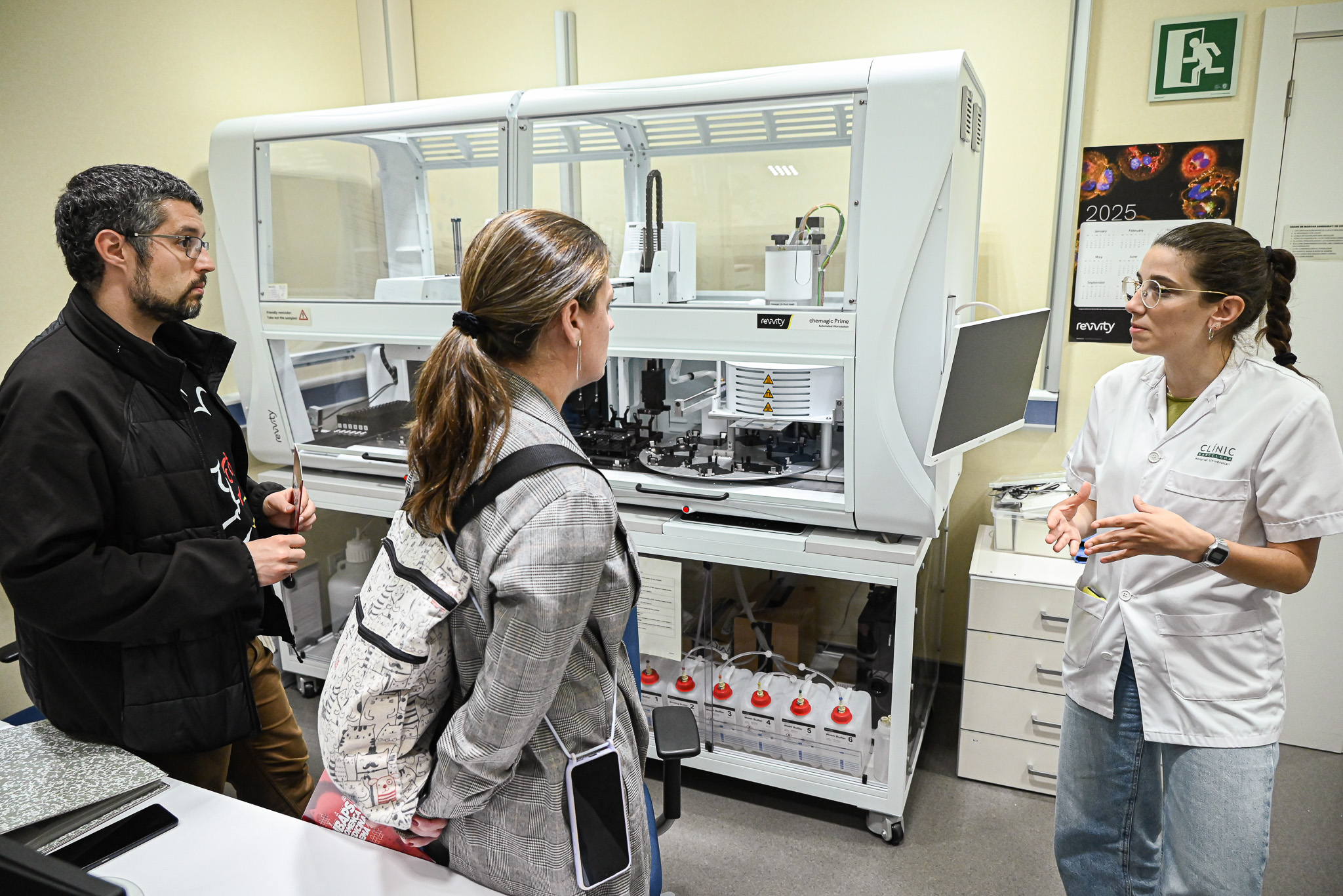
During their visit, the AFALynch delegation had the chance to gain direct insight into the research being conducted by Sergi Castellví-Bel, head of the IDIBAPS group on Genetic Predisposition to Gastrointestinal Cancer, and Francesc Balaguer, head of the Gastroenterology Department at Hospital Clínic and researcher in the IDIBAPS group on Gastrointestinal and Pancreatic Oncology. The group also toured the laboratories and the biobank, where biological samples for research are processed and preserved.
One of the highlights of the visit was learning about the STEPUPIORS project. It was discussed that our initiative aims to establish a European network of institutions dedicated to rectal cancer research. The visitors were informed that the project aims to identify prognostic and predictive biomarkers by analyzing the molecular profiles of patients at both diagnosis and throughout treatment. It was concluded that the project’s findings are expected to inform evidence-based treatment decisions, refine therapeutic protocols, reduce side effects and healthcare costs, and ultimately improve patient quality of life.



STEPUPIORS at AACR2025


STEPUPIORS at ZeNCure project training in Spatial Transcriptomics and Bioinformatics


STEPUPIORS at ESTRO2025
“Prognostic factors for disease-free interval in patients with rectal cancer treated with neoadjuvant chemoradiotherapy and dose intensification”, presented within the lower gastrointestinal cancers session
Moreover, the event served as a valuable platform for networking with colleagues from leading European centers, contributing significantly to the professional development and continuous improvement of both clinical and research work. The exchange of experiences and exposure to diverse methodologies and technologies are expected to enhance therapeutic strategies at the home institution.


First multiplex ELISA run on the Luminex MAGPIX system in Serbia
Team effort of STEPUPIORS members Aleksandra Stanojevic, Katarina Mirjacic Martinovic, Mladen Marinkovic, Teodora Cato, Ana Vuletic, Ana Djuric, Luka Lisica, Milena Cavic and Radmila Jankovic was supported by the constant help of the dedicated staff from the company Novos d.o.o. to enable the first analysis of this kind in Serbia.


STEPUPIORS at UMOS School for digestive cancers 2025


STEPUPIORS at the Spring 2025 Meeting of the Radiotherapy Section of the Serbian Medical Society


STEPUPIORS at the first international symposium on ctDNA-RECIST in solid tumors
Dr Ana Djuric, Dr Mladen Marinkovic, Dr Milena Cavic from IORS and Dr Paul Van Der Leest and Dr Remond Fijneman from NKI AVL participated at the first international symposium on ctDNA response evaluation in solid tumors held in Aarhus, Denmark on March 14-15, 2025. The meeting brought together experts from multiple disciplines (medical oncology, surgery, radiology, radiotherapy, molecular diagnostics, molecular biology, health economics) and countries, to learn about the progress made and to discuss the challenges ahead. It was discussed how ctDNA can be used to evaluate treatment response during systemic therapy, highlighting that patient-centered outcomes must be prioritized.
Multiple systematic reviews presented by members of the Danish Clinical Network for ctDNA-RECIST Research showed that ctDNA holds great promise across the tumor types. Exploring ctDNA biology, it was noted that there is a need to better understand ctDNA shedding and elimination in different clinical situations. Methodological validation and standardization remain critical for widening the implementation of this initiative. Defining ctDNA response and progression criteria was presented as essential for both dPCR and NGS based methods. Ongoing trials—MONDRAN, DIAMOND, ctDNA-RECIST and PRELUCA were presented and are paving the way for innovative response monitoring strategies. Pragmatic clinical trial design was presented and opened new alternative options to be explored in the future. Concurrent imaging and liquid biopsy testing was determined to be an optimal way forward at the moment, while more work is needed on ctDNA-related quality of life studies.
Dr Remond Fijneman gave a lecture “ctDNA Response evaluation criteria by NGS and clinical utilization” and chaired a session “Defining ctDNA-response criteria”.
Meeting conclusions included the need for establishing a more specific network of researchers and institutes in the form of a COST action, as well as initiating a prospective multicentric and multinational clinical trial assessing the clinical utility of ctDNA-RECIST criteria. IORS researchers were prominent participants as the only team from Serbia at the meeting.